
Mortal Kombat 1 is a reboot of the arguably most iconic fighting game series ever made. The game is a classic fighting game: The stages and characters are 3D, but the fights take place on classic 2D-stages with defined borders. The game features multiple single-player and multiplayer modes.
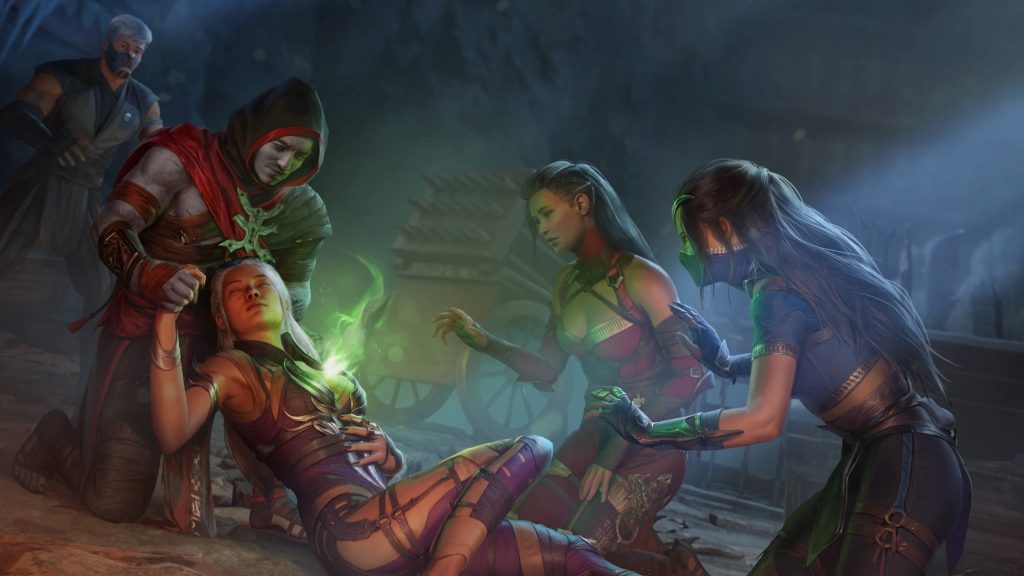
As in its predecessor Mortal Kombat X, Mortal Kombat 1 serves the player with a roughly five-hour story mode combining cinematic cutscenes with defined battles for multiple characters. What starts as the usual story around a mortal combat tournament between Earthrealm and Outworld quickly becomes a broader story about power and intrigues. The strong part of the story is surely the presentation: Cutscenes and animations, music, sound effects, and the voice cast are excellent and make it a real movie theatre experience. Also worth mentioning is how the fights are fluently embedded into the story as the cutscenes smoothly flow into the stage fights. In addition, the story mode is the best way to get to learn all the characters and therefore it’s surely the first thing to play.
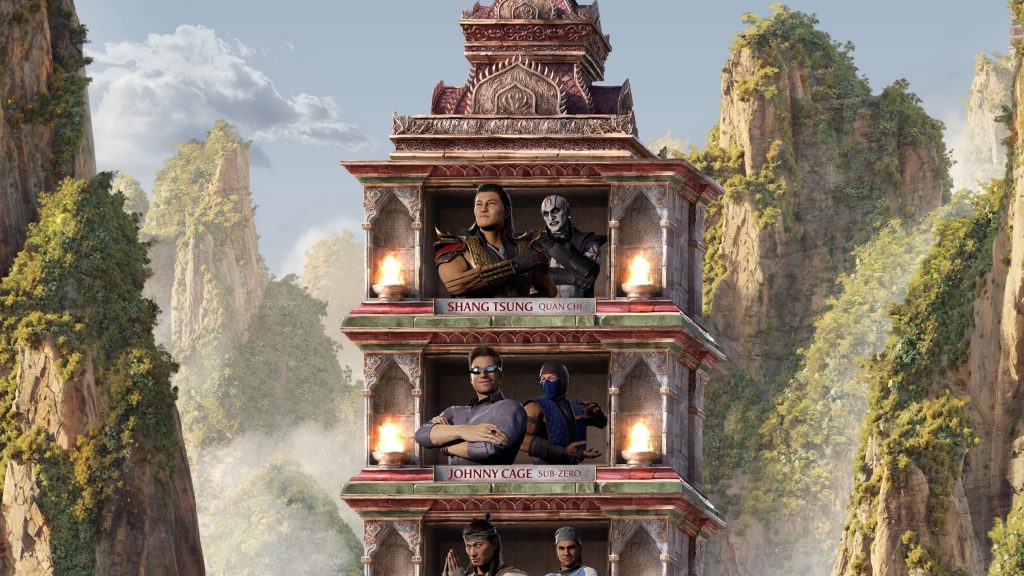
Towers are very similar to those in previous Mortal Kombat games as you fight a row of enemies climbing up a tower. There are multiple towers with different difficulties and number of fights required to be completed to reach the top. Same as in the story mode the difficulty can also be adjusted by a global setting; however, on medium difficulty the game already seemed a bit too easy to me. Successfully completing a tower with one of the characters will give you more background on his destiny after the events of the story mode. To avoid spoilers, you should play tower mode after completing the story.
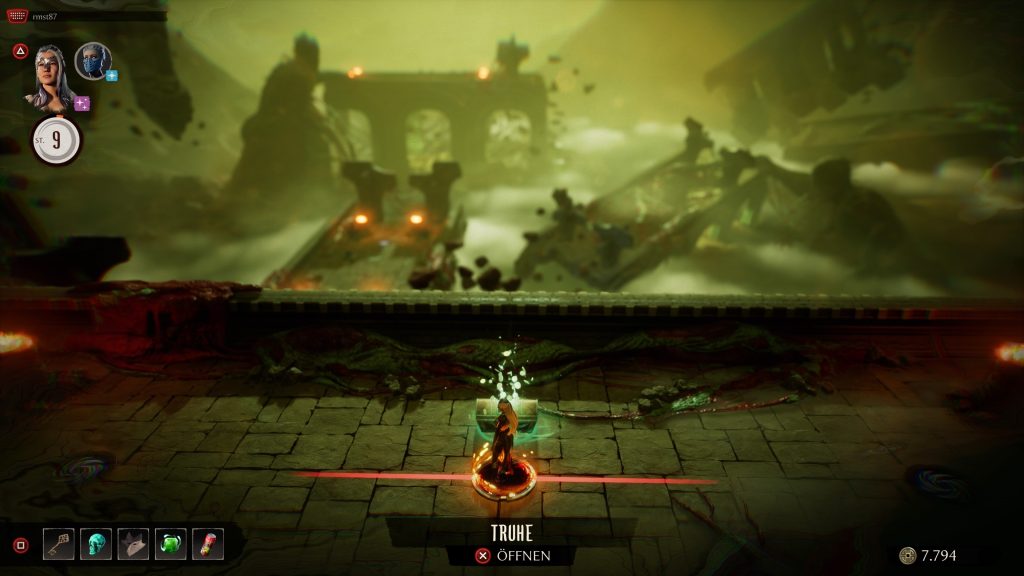
The new invasion mode is a seasons-based mode with some analogies to Super Smash Bros. Ultimate. You move your character on a map from node to node. Behind each node a certain challenge needs to be passed. Usually this is a standard fight, but there are special events like fighting a higher number of enemies in a row, survival challenges in which you must jump and dodge to avoid being hit by projectiles, or the “Test Your Might” button mashing challenges. In this mode you can change your character at any time. Characters can be leveled up on individual skills. Merchants and a blacksmith will sell you useful items or upgrade amulets which give you permanent and temporary bonus effects. In each map of invasion there is also a boss fight to be won at the end required to proceed to the next map. Unfortunately, the boss fights are just like the normal fights with some additional health bars or special effects for the enemy. Other than that, these encounters are not special in terms of presentation or enemy characters used. The invasion mode is planned to be updated with new seasons and is a good choice for some casual gaming sessions. After finishing most parts of the first season however I already started losing interest as moving across the map fight by fight becomes repetitive. Surely, the developers tried to put variety and complexity into this mode making it motivating long term. Features like hidden fights, ambush fights, upgrades of artifacts, seasonal towers etc. surely are interesting for the first encounters and play sessions but as I am anyway not a big fan of service games it was not enough to motivate me to play much further beyond some small casual play sessions.
Multiplayer modes range from friendly to ranked fights. There is also a special mode in which contenders take turn to fight against a current reigning king. The rest of the group can watch the current fight until it is their turn to be the contender. Both modes worked well most of the time but suffered from stuttering and lags occasionally due to a bad connection of one of the players.
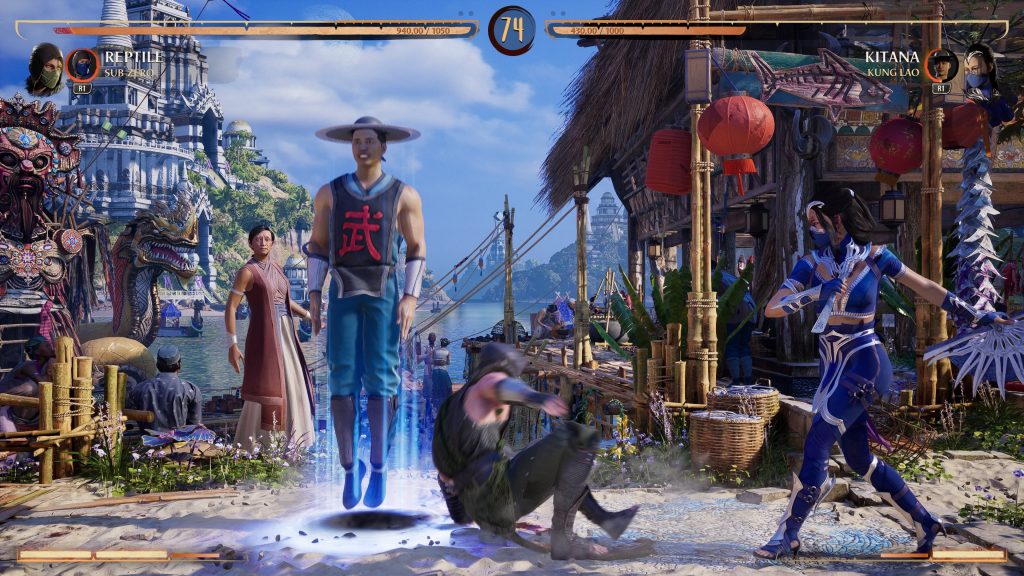
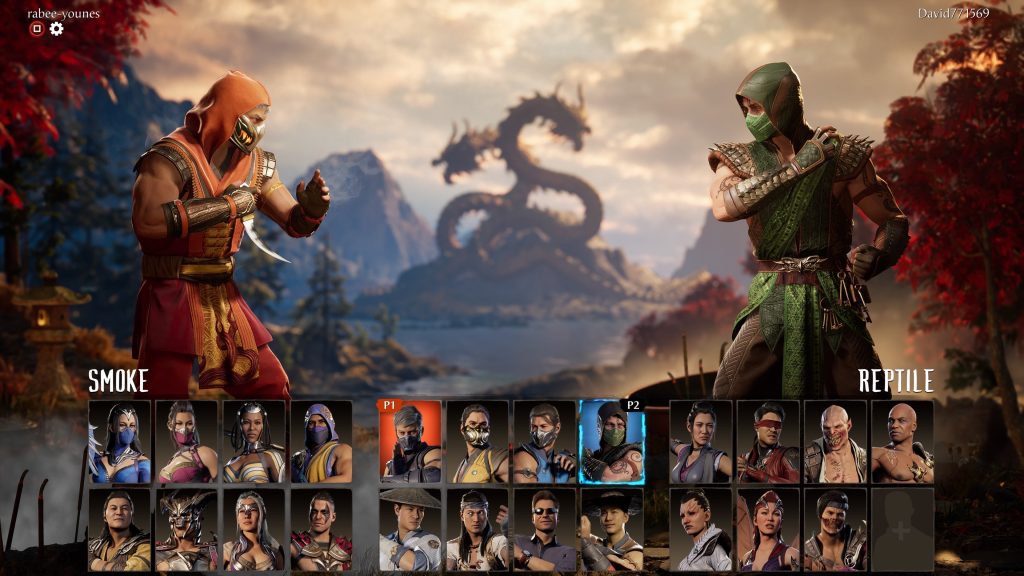
Inside the fights the Kameo feature is surely the most important innovation. In addition to your main character you select a second one who will support you in the fight. Kameo actions are triggered by defined buttons and are individual for each character. There is a big variety of attacks for both close combat and ranged attacks which can be triggered in certain situations especially when you are under pressure. Kameo characters come up with their own fatalities in addition adding to the fatalities and brutalities of the main character. As usual the developers put a lot of morbid creativity into the design of the gory fatalities and brutalities and even though the setting and art style are clearly over the top, the game has its 18+ rating for a reason.
The excellent technical performance and graphics are clearly visible from screenshots and videos alone. And as mentioned, the soundtrack and sound effects are excellent. Only in some of the invasion encounters I encountered sound problems, as suddenly the sound effects were missing. The server connection was also lost twice, getting me kicked out from invasion mode back to the main menu. A big plus for Mortal Kombat 1 are the controls. All kind of attacks are intuitively placed on the buttons and precise control inputs will also be more successful than random button mashing. On the other hand, the controls are not too simple, and execution of complex combos and fatalities need a bit of practice. Personally, I believe the balance between intuitive controls for casual games and precision required to be mastered for experienced fighting gamers is better solved in Mortal Kombat 1, making it a better choice than Street Fighter 6 for beginners and advanced players alike.
Excellent audio-visual presentation, a great cinematic story and intuitive controls make Mortal Kombat 1 the best fighting game in current console era.