
Signalis is a classic survival horror game developed by the small studio rose-engine, consisting of only two developers based in Hamburg. Signalis combines the classic gameplay mechanics of first Resident Evil games with its own pixel art style. You play the character of Elster after your spaceship crashed on an unknown planet. Elster is a Replika, a kind of robot copied from a human imprint. Typically for the genre, after the crash you must find out what happened to the rest of the ship’s crew by exploring the planet further.
The story is told using cutscenes and logs you find through the rooms and corridors. The cutscenes as well as the written logs are often vague and only after some time you get a bit deeper into the game's lore. However, even after you have read some logs giving you more details on the Replikas, the political powers and the role of Adler (a person you meet early in the game) the story remains mysterious. In fact, the game creates an atmosphere I found quite similar to Stanley Kubrick’s 2001: A Space Odyssey, with its philosophical commentary and melancholic music, being less a horror game than a quest into an unknown world. And indeed, it was more this unique atmosphere I enjoyed rather than the gameplay and mechanics. These are quite simple: You control Elster from a top-down view through corridors and rooms with the help of a map. Occasionally you encounter monsters you can shoot with one of the various pistols, shotguns or rifles you find during the playthrough. Keycards help you to eventually enter rooms that were previously locked. Other items are used in small puzzles to be solved or must be combined, for example combining multiple puppets for creating a full matryoshka doll. Whereas the puzzles are very well designed and fun to solve combat lacks the tension typical for the genre. After being shot Elster can give them a kick while lying on the ground preventing them from getting up again. Since enemies are rather slow and ammo is a rare resource simply passing them is often the best strategy. This is unfortunately reinforced by the fact that the small inventory requires a massive amount of backtracking and defeated enemies occasionally revive when you re-enter a room. Having to go back to the last saving room to drop off some item in order to collect an important item for a puzzle was more the standard than the exception throughout my playthrough. I understand the charm of the classic design using fixed save rooms where items can be stored in an item box, but increasing the number of items allowed to be carried from six to eight would have helped a lot already to reduce backtracking.
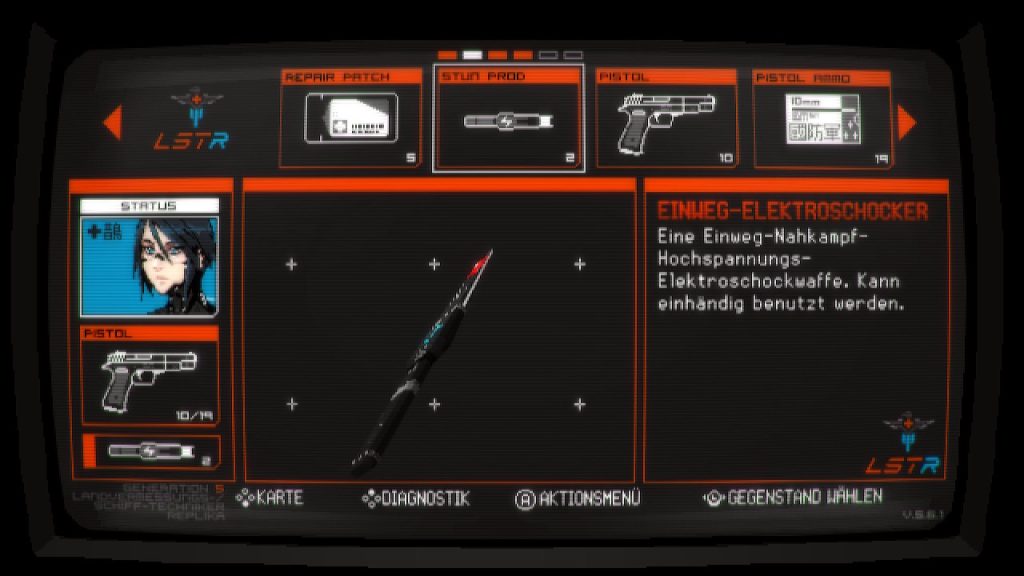

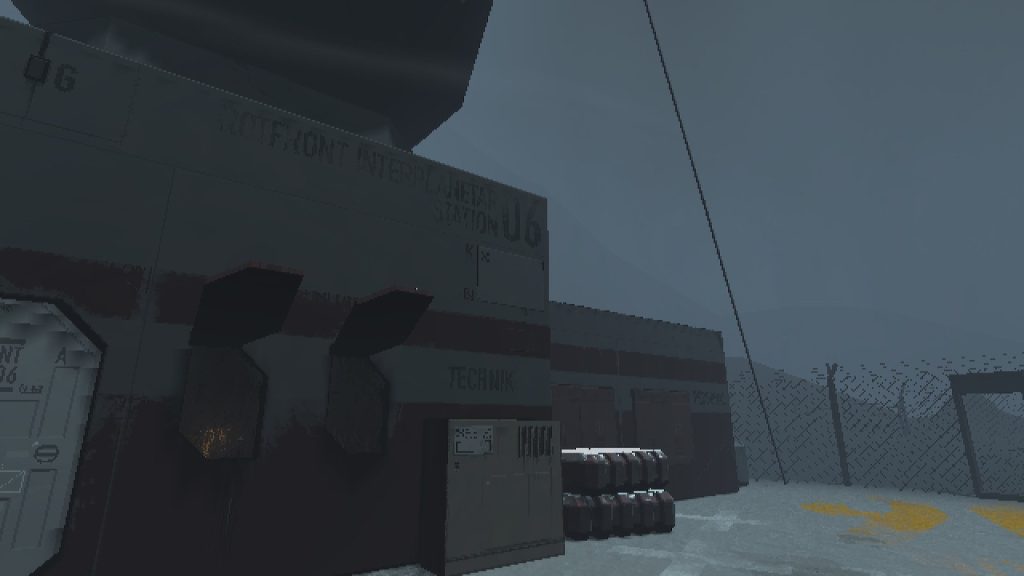
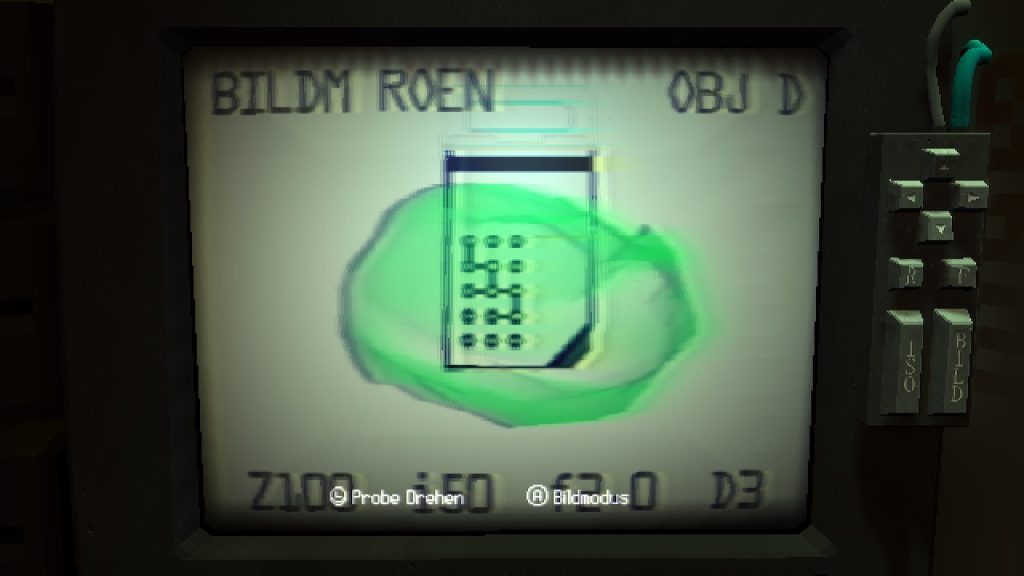
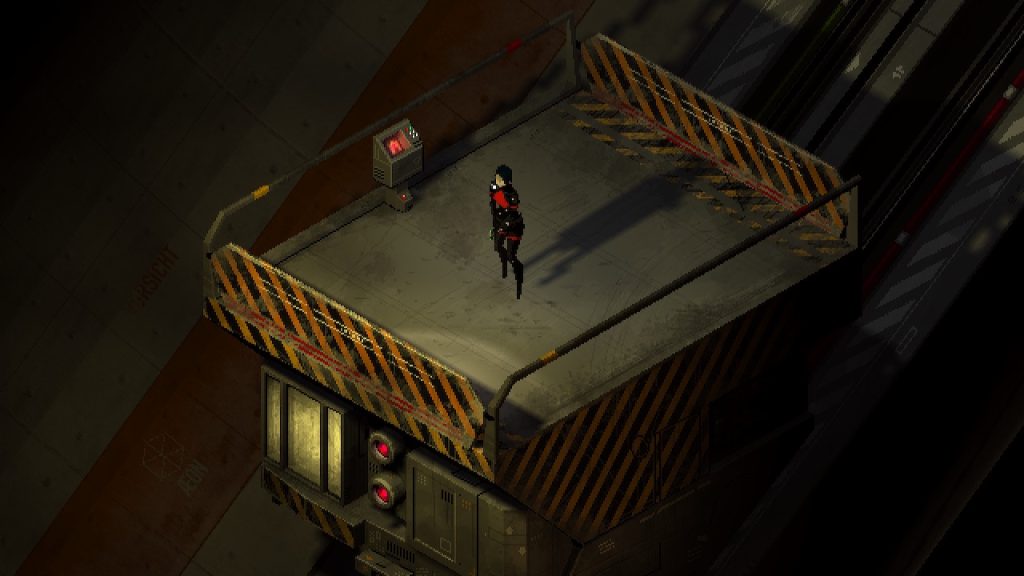
The pixel art of Signalis is a real eye-catcher, especially when the scenes change to first-person view in special sequences. The controls are flawless, using a lock-on mechanism for aiming on enemies. The use of the radio enhances the puzzles and combat. Elster has a radio receiver and its frequency must be adjusted by the player. This is not only used in puzzles, for example when you must use the correct frequencies when arranging multiple antennas accordingly, but also in combat. Occasionally you will enter rooms with lots of enemies and the view of the scene gets distorted. A number will pop up shortly among the distortions allowing you to configure your radio to this frequency eliminating all enemies.
The few boss battles are nothing special. They require you to understand the trick how they are defeated and similar to the usual combat, do not pose a real challenge to your hand-eye coordination.
Overall Signalis is a good game driven by its melancholic atmosphere, unique art style and well-designed puzzles. Instead of combat, the focus is clearly on exploring the mysterious world touching political and sociological topics making it especially interesting for fans of philosophical science fiction.