

In Baldur’s Gate III you follow the main quests to reach the city of Baldur’s Gate and decide its fate after a parasite was placed inside the brain of your main character. The game leaves a wide range for decision-making, and players will have a very different journey depending on their decisions, actions and places visited. Based on the D&D rules you start with building or selecting your main character and increase their level up to a maximum of level 12 throughout the game. More characters will accompany your party throughout the game and your decisions will have influence on their attitude towards you, leading in the worst case to a fight or a character leaving your party.
The game comes without clear black and white or good and evil patterns, making it more immersive and each decision interesting. Additionally, it’s amazing how the game intertwines the different quests: There are no clear main and side quests, but all contribute to progress in terms of character story evolution, understanding the world and getting access to further gear and equipment. When I finished the game after around 90 hours it was amazing to see how the different questlines from the first hours of the game made an impact once you reach Baldur’s Gate in the third and final act.
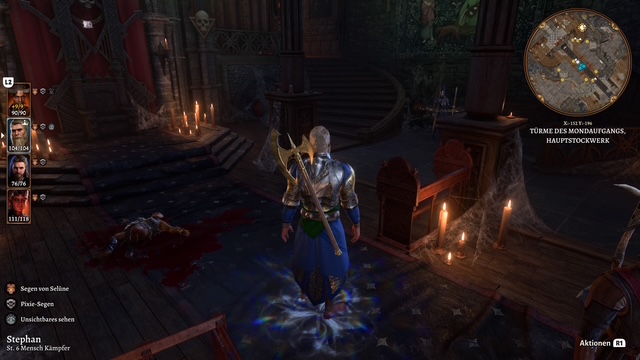
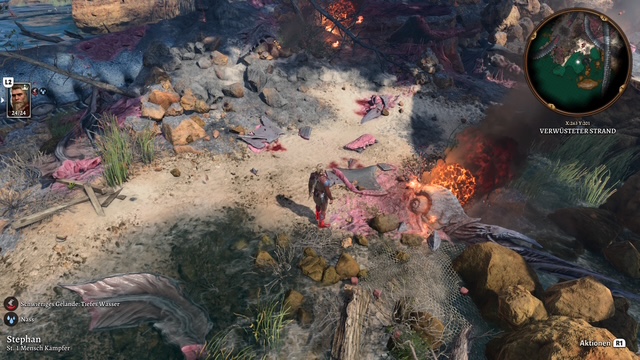
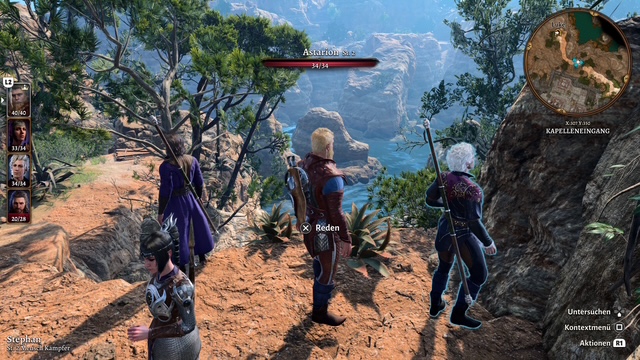
All the dialogues are voiced, which keeps the large number of dialogues interesting and enjoyable. Voices and dialects spoken by the character contribute a lot to the immersion when exploring a world with different races, ethnicities, and peoples. This holds especially true for the dialogues with your party members after decisive moments of the story as the voice cast lets you feel their mood and reaction.
The turn-based battles are designed cleverly. Height differences play a key role in success as well as setting up a party with a good mix of close combat, archery, magicians, and being equipped with the right special abilities. The selection of actions via the gamepad works excellently once you have got used to it. You select actions and items mainly via selection wheels appearing by pressing the shoulder buttons. On some occasions the camera needed to be manually adjusted to keep a good overview of the battlefield, mostly in dungeons or buildings.
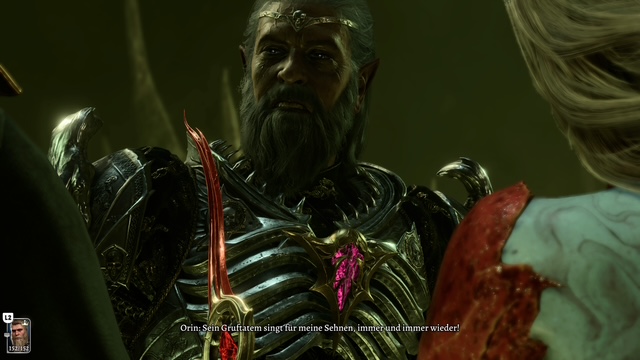
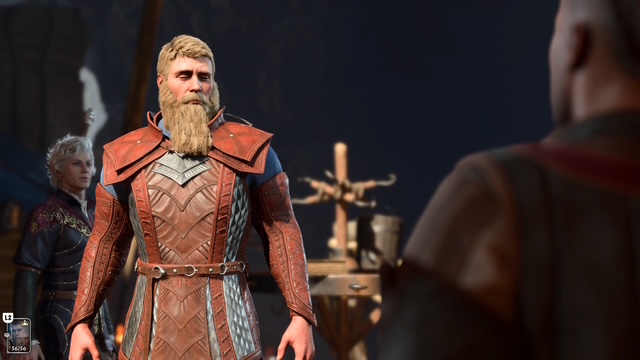
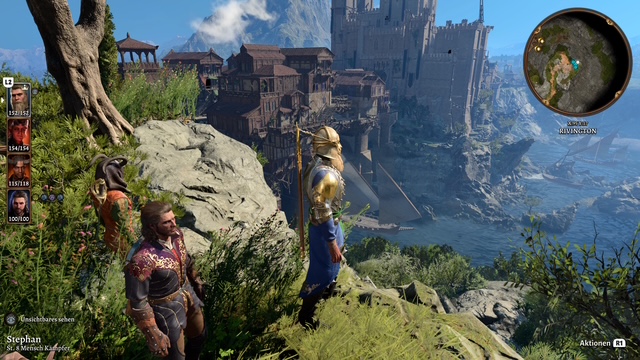
Technically Baldur’s Gate III is in excellent shape for a game of this size, with very good graphics and sound effects. Initial loading times can be quite long, but saving is always possible, even within battle encounters. There were some crashes of the game here and there, but except for one of them, none was a real deal-breaker. Only in one of the major fights in the third act the game crashed reproducibly, requiring me to change my battle strategy to avoid the crash-triggering situation.
The soundtrack is beautiful and will stay with you for a long time even after completing the game. The same holds for the large number of small and big moments in the game that are memorable for years. Baldur’s Gate III is a masterpiece of a role playing game and a milestone in terms of world- and quest-design, immersion and building connection with your party members.